Friendship is the Key to Avoiding Heart Disease

Astonishingly, over 735,000 Americans have a heart attack every year.  With heart disease being the #1 killer in western countries, including the United States, with over 17 million people dying every year due to heart disease worldwide.  Most heart attacks are preventable and most risk factors for cardiovascular disease are preventable.

Even more astonishing is that loneliness is associated with a 29% increased risk of having a heart attack and a 32% increased risk of having a cerebral vascular accident (CVA), also known as a stroke, according to a review of studies published online by the journal Heart (April 18, 2016).

This research validates the importance of friendship in living a long and meaningful life.  Many argue that a sense of belonging and purpose combined with a strong social support system will have more influence on the aging process than more traditionally thought of factors such as diet, weight control, and exercise.  Continue Reading

Q & A: How to Manage COPD

Q.  Hi, Dr. Ben. I was recently diagnosed with moderate COPD.  I “knew” I have had it for a few years, but I didn’t want to admit it.  What exercises do you recommend that I perform to keep my lungs functioning at their best capacity?  I know I need to keep active, keep a healthy lifestyle, and keep going!  I gave up smoking last week when I was diagnosed.  I am not on oxygen at this time.  Inhalers are being used to manage my COPD at this time.  I hope this will help others from being stubborn, choose to give up the smokes, and “get real” because this can happen to any of us!  Thanks, Ben!  -Linda

A.  Thanks for your question, Linda! I am sorry to hear about your recent diagnosis of COPD.  It sounds like you are already making some appropriate and much needed lifestyle changes to help to manage the disease.

Chronic obstructive pulmonary disease (COPD) is a progressive lung disease (meaning it worsens over time).  COPD is currently the third leading cause of death in the United States.  It is typically diagnosed in middle aged or older adults.  Cigarette smoking is the leading cause of COPD.  Most cases of COPD are associated with those that have smoked, used to smoke or who were around heavy amounts of smoke.  Other potential causes include: exposure to chemicals that irritate the lungs (such as air pollution, chemical fumes from paint or other industrial causes); exposure to high levels of dust and dirt; and genetic factors.
Chronic Obstructive Pulmonary Disease

Symptoms of COPD:

  • Coughing (typically producing large amounts of mucus).
  • Wheezing.
  • Shortness of breath (SOB).
  • Tightness in the chest.

With COPD, there is less air flow in and out of the lungs.  This can occur for one or several of the following reasons:

  • The airways and air sacs (alveoli) lose their elasticity.
  • Walls between the air sacs are damaged and/or destroyed.
  • Ways of the air sacks become thick and/or inflamed.
  • There is excessive mucus production in the air sacks causing them to clog.

COPD is most commonly associated with two conditions, either emphysema or chronic bronchitis.  In the case of emphysema, the walls of the air sacs are damaged and/or destroyed which leads to less air sacks (alveoli) to assist in gas exchange during breathing.  In the case of chronic bronchitis, the lining of the airways is chronically irritated and inflamed.  This leads to a thickening and excessive mucus production, which blocks the airways and causes difficulty with breathing.  Generally individuals with COPD tend to have both emphysema and chronic bronchitis.

Those with COPD are especially prone to other illnesses, such as colds, flu, and pneumonia, and they are in a high risk category.  Although controversial in western medicine, I am convinced that proper supplementation of key nutrients can assist your immune system in fighting many common illnesses.

Strategies for managing COPD:

Medication.

Your physician will likely prescribe medications to help you to manage COPD.  These will typically include anti-inflammatory medications and bronchial dilator medications.  Be sure to always follow your physician’s advice when utilizing prescription medication.

Stop smoking.

This may sound obvious, but smoking cessation is critical to managing COPD.  Smoking was likely a major contributing factor to developing COPD.  It will be very difficult to manage the disease long term if you do not stop smoking.  If a person continues to smoke, lung function and prognosis for disease management will decline at a much faster rate than average.  Many programs are available that can help you to quit smoking.  Please speak with your physician to learn more about resources in your area.

Daily activity.

Daily activity is important for everyone, but especially for those with COPD.  A sedentary lifestyle will only worsen your symptoms.  Depending on the severity of your COPD, your ability to perform certain activities will vary.  For more information, please refer to How to Jumpstart a Sedentary Lifestyle and Why You Should Walk, Not Run.

As your disease progresses, it will become increasingly difficult to remain active. Activity modification will be part of your management strategy, but continue to do what you can. It is critical to keep regular activity as part of your disease management strategy.

Exercise.

It is critically important that you engage in specific, purposeful exercise.  A thorough exercise program should include components of each of the following:

  1. Weight Training
  2. Cardiovascular Exercise
  3. High Intensity Training

Each exercise program should be specifically designed for the individual.  These three forms of exercise have significant research in improving physical function (including muscular, cardiovascular, and pulmonary function).  It is extremely important that your exercise program is properly dosed and prescribed just for you.  As your disease progresses, your dosing and exercise prescription will also change.  To adequately mange the condition, you must implement a thorough exercise program.

You will likely need assistance in designing a program specifically for your needs.  First, please speak with your physician.  Then seek a qualified physical therapist that specializes in cardiovascular disorders.  The American Physical Therapy Association offers a wonderful resource to help find a physical therapist in your area. In most states, you can seek physical therapy advice without a medical doctor’s referral (although it may be a good idea to seek your physician’s opinion as well). Another option is to seek a local cardiac and pulmonary rehabilitation program in your area. These are usually associated with your local hospital.

As your disease progresses, it will become increasingly difficult to exercise, but continue to do what you can. The intensity and duration may change and you will need additional rest. It is critical to maintain some form of exercise as part of your disease management strategy. This is an exercise is medicine approach.

Rib and thoracic mobility.

Addressing rib and thoracic mobility is one way to make quick improvements in a person’s ability to breathe and generally improve endurance and lung function. Unfortunately, this is underutilized in most COPD sufferers.

Since COPD affects the lungs, restrictions in the musculature and the skeletal system that encase the lungs will only worsen a person’s breathing difficulties. The key is to help your body move as efficiently as possible. In order to achieve this, the ribs and thoracic spine along with the associated musculature must be free to move. Any restrictions in this area will only make it more difficult to breathe.

When you sign up to receive my blog posts via e-mail, you will automatically gain access to my FREE resource, My Top 8 Stretches to Eliminate Neck, Upper Back, and Shoulder Pain. These exercises address the most common rib and thoracic restrictions, so that you can maximize your rib and thoracic mobility in order to breathe easier. Detailed photos and exercise instructions will help you to get started.  I recommend that you combine these with a daily deep breathing program.

Deep breathing.

Learning a variety of breathing techniques will also be a critical component in managing COPD. Deep breathing allows the body to uptake more oxygen. It also helps to reduce stress and anxiety. The mechanical act of breathing more deeply helps your ribs and thoracic spine to remain mobile. It also helps to train all of the muscles associated with breathing–from the diaphragm and intercostal muscles to the lesser known accessory breathing muscles (sternocleidomastoid, the scalenes, serratus anterior, pectoralis major and minor, trapezius, latissimus dorsi, erector spinae, iliocostalis lumborum, quadratus lumborum, serratus posterior superior and inferior, levatores costarum, transversus thoracis, and the subclavius).
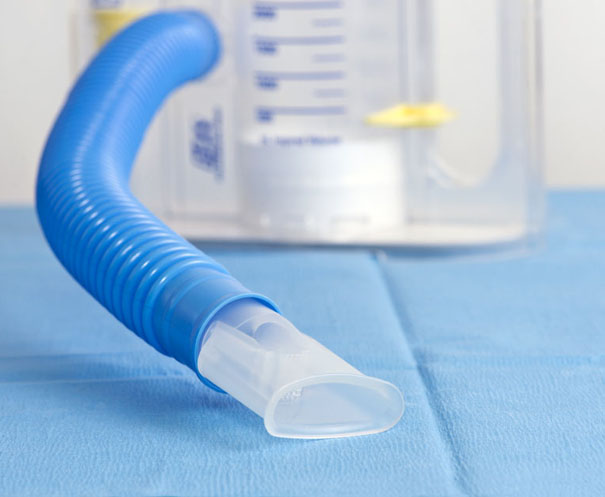
Incentive Spirometer

When performed properly, deep breathing can help you to maintain your lung capacity. An incentive spirometer should be used regularly as part of maintaining proper lung capacity and function. It can also decrease your risk of pneumonia, which is always a concern for those with COPD.

Learning multiple methods of breathing will be important as you progress in your disease management. Each method is used for a different situation. Along with deep breathing exercises, diaphragmatic and pursed lip breathing techniques will also be beneficial.

Adequate sleep.

Poor sleep is linked to the following cardiovascular risk factors:  high blood pressure; atherosclerosis; heart failure; heart attack; stroke; diabetes; and obesity.  These all have negative effects on COPD management.

Be sure to get as much sleep as you need (typically 7-9 hours at night).  Short naps are also an excellent way to get more sleep.  I recommend that you read Michael Hyatt’s 6 Strategies to Sleep Soundly, Wake Rested, and Accomplish More.

Acupuncture is also a proven method to help people sleep better and more soundly.  It can be used to treat insomnia as well.

Reduce your stress.

Stress is a normal part of life.  Poorly managed stress or excessive stress can lead to emotional, psychological, and physical problems, such as cardiovascular disease and high blood pressure.  High stress leads to more anxiety which can affect breathing patterns.  Individuals with COPD will already struggle at times with breathing, which will worsen as the disease progresses.  High stress will only make this worse.  Regular exercise, massage, yoga, acupuncture, and Tai Chi have all been proven to reduce stress.

Maintain a healthy weight.

Additional weight makes it more difficult to move around. It also creates additional pressure in the rib cage–making breathing more difficult. The heavier you are, the more difficult it will be to exercise which is a critical component of COPD management. Obesity is associated with diabetes, high blood pressure, and coronary artery disease.  These all increase your risk of developing heart disease and have a negative effect on health and COPD management.  Studies have shown that excess body weight (not including all of the other associated medical conditions) can also lead to heart failure.  Even if you are healthy otherwise, being overweight still places you at a greater risk of developing cardiovascular and pulmonary related diseases.

Stay hydrated.

Drink more water.  The older you are, the easier it is to become dehydrated.  Proper hydration is critical to keeping lung tissue healthy. The human body is primarily made of water, which is critical for all body functions. Dehydrated tissues are prone to injury as they struggle to gain needed nutrients to heal and repair. Dehydrated tissues are less flexible and tend to accumulate waste products. Water intake supports proper brain, lung, muscle, and hormone function as well as lubrication of the joints and skin appearance.

Stay hydrated by drinking water. Try to avoid beverages that contain artificial sweeteners or chemicals with names that you can’t spell or pronounce. Drinking more water not only prevents dehydration, but it also aids in preventing urinary tract infections (UTI).

Living with and managing COPD will be a different journey for everyone.  When managed correctly, individuals with COPD can live a long time.  Although there isn’t presently a cure for COPD, treatment options continue to improve every year.  The important part is to start addressing the disease early through medication management and lifestyle changes including:  smoking cessation; healthy eating and proper hydration; stress management; breathing techniques; and optimizing your exercise and activity levels in order to maintain proper rib and thoracic mobility.

Thanks for your question, Linda!  For additional information on the topic of COPD, please visit the following:  http://www.nhlbi.nih.gov/health/health-topics/topics/copd/ and http://copd.about.com/od/copdbasics/a/copdlifeexpectancy.htm.

Do you or a loved one suffer from COPD?  Please share your experience with us.  Together we can all grow and learn how to best manage this disease.

If you have a question that you would like featured in an upcoming blog post, please comment below or submit your question to contact@thePhysicalTherapyAdvisor.com.  Be sure to join our growing community on Facebook by liking The Physical Therapy Advisor!

Disclaimer:  The Physical Therapy Advisor blog is for general informational purposes only and does not constitute the practice of medicine or other professional health care services, including the giving of medical advice.  No health care provider/patient relationship is formed.  The use of information on this blog or materials linked from this blog is at your own risk.  The content of this blog is not intended to be a substitute for professional medical advice, diagnosis, or treatment.  Do not disregard, or delay in obtaining, medical advice for any medical condition you may have.  Please seek the assistance of your health care professionals for any such conditions.

7 Tips on How to Avoid a Heart Attack

Approximately 735,000 Americans have a heart attack every year. Heart disease is the #1 killer in western countries, including the United States, with over 17 million people dying every year due to heart disease worldwide. Most heart attacks are preventable and most risk factors for cardiovascular disease are preventable. Learn how to recognize the possible signs of a heart attack and how to avoid one with the following 7 tips.

Man with chest pain

The cardiovascular system consists of the heart and blood vessels. It is responsible for carrying nutrients and oxygen to the tissues and removing carbon dioxide and other waste out of the cells and tissues. Diseases of the cardiovascular system include the following (this is only a partial list):

  • Heart attack
  • Stroke – cerebral vascular accident (CVA)
  • Arteriosclerosis – hardening of the arteries
  • Coronary artery disease (CAD) – also known as heart disease
  • Heart valve diseases/disorders
  • Heart (cardiac) arrhythmias – abnormal rhythms of your heart rate or beat
  • Heart failure – also known as congestive heart failure (CHF)
  • Hypertension – high blood pressure
  • Peripheral vascular system (PVD) or peripheral artery disease (PAD)

Heart attacks are often associated with men, but cardiovascular disease is actually the leading cause of death in both genders. One out of every two men and one out of every three women will develop heart disease.

Although more men die of heart disease than women, females tend to be underdiagnosed. Once the condition is discovered, it’s often too late to intervene. Nearly 29% of female related death is cardiovascular in nature.

Possible Signs of a Heart Attack:

  • Pain in the left shoulder, pain in the jaw, neck or upper back
  • Dizziness, lightheadedness or fainting spells
  • Shortness of breath
  • Pressure or pain in the chest, typically the left side
  • Nausea and vomiting
  • Sudden sweating
  • Extreme fatigue

Symptoms of a heart attack can be very different among individuals and are typically more subtle in women. If you have any concerns, please seek medical advice immediately. Most importantly, be proactive! The best time to start is prior to an issue occurring.

7 Tips on How to Avoid a Heart Attack:

1. Manage Your Diabetes

If you are diabetic, you are at an increased risk of heart attack and cardiovascular disease. Newer research indicates that sugar and insulin resistance is more of a significant risk factor for cardiovascular disease than excessive saturated fat intake and/or salt. Reduce your carbohydrate (sugar) intake and manage your diabetes. The best and most effective method is through a proper diet and exercise program. For specific strategies on how to improve your health, please refer to 15 Strategies to Make 2015 Your Healthiest Year. 

2. Stop Smoking

Smoking is highly correlated to cardiovascular disease. If you smoke, please make every effort to cut back and then quit. Nearly 20% of all deaths from heart disease are directly related to cigarette smoking.

3. Manage Your High Blood Pressure

High blood pressure makes the heart and cardiovascular system work harder. Over time, this excessive pressure can lead to an enlarged heart (cardiomegaly) as well as damage to the blood vessels in the kidneys and brain. It increases the risk of a heart attack, stroke, and kidney disease. High blood pressure also increases your risk of developing dementia or Alzheimer’s disease.

Acupuncture is proven to be helpful in lowering blood pressure. By applying acupuncture needles at specific sites along the wrist, the forearm or leg, it stimulates the release of opioids, which decreases the heart’s activity and thus, its need for oxygen. In turn, this will lower your blood pressure.

Blood pressure can typically be managed through a healthy diet and regular exercise. For tips on how to get started, please refer to How to Jumpstart a Sedentary Lifestyle and 15 Strategies to Make 2015 Your Healthiest Year.

4. Maintain a Healthy Weight

Obesity is associated with diabetes, high blood pressure, and coronary artery disease. These all increase your risk of developing heart disease. Studies have shown that excess body weight (not including all of the other associated medical conditions) can also lead to heart failure. Even if you are healthy otherwise, being overweight still places you at a greater risk of developing cardiovascular related diseases.

5. Reduce Your Stress

Stress is a normal part of life. Poorly managed stress or excessive stress can lead to emotional, psychological, and physical problems, such as cardiovascular disease and high blood pressure. Regular exercise, massage, yoga, acupuncture, and Tai Chi have all been proven to reduce stress.

6. Improve Your Sleep Quality

Poor sleep is linked to most of the cardiovascular risk factors including: high blood pressure; atherosclerosis; heart failure; heart attacks; stroke; diabetes; and obesity.

Be sure to get as much sleep as you need (typically 7-9 hours at night). Short naps are also an excellent way to get more sleep. I recommend that you read Michael Hyatt’s 6 Strategies to Sleep Soundly, Wake Rested, and Accomplish More.

Acupuncture is also a proven method to help people sleep better and more soundly. It can be used to treat insomnia as well.

7. Sit Less

Sitting for more than two hours at a time is linked to an increased risk of dying from cardiovascular related deaths. Walking daily can reduce stress, improve circulation and hormone regulation as well as benefit your overall well-being. To find out more about starting a walking program, please refer to Why Walking is Critical for Your Health.

Implement these 7 tips to increase your health, avoid cardiovascular related illness, and help you to ultimately age successfully. Proper cardiovascular health will help you to avoid heart attacks and strokes. It will also help you to reduce your risk of other serious medical conditions, such as cancer and dementia.

What steps are you taking to avoid cardiovascular disease and to live healthfully? Please leave your comments below.

If you have a question that you would like featured in an upcoming blog post, please comment below or submit your question to contact@thePhysicalTherapyAdvisor.com. Be sure to join our growing community on Facebook by liking The Physical Therapy Advisor!

Disclaimer:  The Physical Therapy Advisor blog is for general informational purposes only and does not constitute the practice of medicine or other professional health care services, including the giving of medical advice. No health care provider/patient relationship is formed. The use of information on this blog or materials linked from this blog is at your own risk. The content of this blog is not intended to be a substitute for professional medical advice, diagnosis, or treatment. Do not disregard, or delay in obtaining, medical advice for any medical condition you may have. Please seek the assistance of your health care professionals for any such conditions.

Q & A: Why Am I Dizzy Upon Standing?

Q.  Almost every time I stand up, I feel dizzy. It seems to be worse if I am lying down before standing up.  Should I be concerned?  –Jill

A.  Great question, Jill! We have all likely experienced the sensation of dizziness upon standing at one time or another.  You are likely experiencing a sensation known as orthostatic hypotension (also known as postural hypotension).  Orthostatic hypotension (OH) is defined by a drop in blood pressure that is greater than 20 mm of mercury during contraction of the heart muscles (systole, the top blood pressure number) and more than 10 mm of mercury during the expansion of the heart muscles (diastole, the bottom blood pressure number).

Suddenly standing up can cause blood to pool in the blood vessels of the body and legs.  For a short period of time, a decreased supply of blood is carried back to the heart to be pumped to the brain.  This results in a sudden drop in blood pressure which causes a feeling of dizziness.

Business people with stress and worries in office

Unless you’re experiencing severe symptoms or losing consciousness (blacking out), OH is typically not a concern and can happen to anyone.  In my clinical experience, I have treated highly active adults and athletes as well as the elderly for OH.  The concern is greater for the elderly as it may be a sign of additional cardiac related illness such as congestive heart failure (CHF).  OH can increase the risk of falling which is already an issue for many elder adults.

The following conditions may increase the likelihood of developing OH:

  • A low blood volume from dehydration can cause OH, fatigue, and weakness. Be sure to adequately re-hydrate after activity. Soda and other processed drinks do not optimally hydrate your body. Water is best. Other options include coconut water, caffeine-free tea, and consuming fruits and vegetables.
  • Postprandial hypotension is a sudden drop in blood pressure after eating. The body shunts blood to the stomach and digestive system to aid in the digestion and transport of nutrients out of the gut. This can lead to low blood volume in other parts of the body and could cause OH. Eating small, low-carbohydrate meals may help to reduce symptoms.
  • When I am in a high volume cardiovascular training cycle, I tend to experience low blood pressure. Average blood pressure (BP) should be around 110/70 mm mercury. My blood pressure will be close to 100/60 mm mercury when I struggle with OH. To eliminate this problem, I increase my salt intake. Sherpa Pink Gourmet Himalayan Salt is my preferred type of salt to use. The extra sodium retains more fluid in my system which keeps my blood pressure up while providing important trace vitamins and minerals.
  • Bradycardia (slow heart rate) can increase your risk of OH. A slow heart rate is generally considered a healthy side effect of being cardiovascularly fit. A heart rate less than 60 beats per minute (bpm) is considered low. This is a common finding in well trained athletes as they range between 40-60 bpm. Other more serious heart conditions, such as heart valve related issues and CHF, can be associated with bradycardia. OH is also common post cardiac surgery or heart attack. If your heart rate is low or you’re experiencing cardiac issues, please consult with your physician.
  • Diabetes, thyroid dysfunction, and adrenal insufficiency as well as other hormone (endocrine) related issues can cause OH.
  • Many illnesses affecting the nervous system (spinal paralysis, Parkinson’s disease, and some forms of dementia) can cause OH related symptoms.
  • Many medications have side effects that can result in OH symptoms. If you develop symptoms of OH, address your medications with your medical physician or pharmacist.

Treatment options for OH include:

  • Compression. Lower extremity compression serves to help prevent blood from pooling in the lower extremities and can aid the venous return system. With compression, the heart doesn’t work as hard to pump blood to and from your toes. You can utilize a common ACE wrap, but I highly recommend that you purchase a mild over the counter compression sock (at least thigh high) such as Jobst Relief Therapeutic Thigh High Stockings. Do not apply any compression too tightly that it causes numbness or tingling in the legs, feet, or toes. In cases of spinal paralysis, an abdominal corset (binder) may be necessary to maintain a normal blood pressure.
  • Stand up slowly. If you’re suffering from OH, take your time when you first sit up after lying down or after you first stand up. Moving slowly will decrease your risk of injury (should you fall) while feeling dizzy.
  • Perform a cardiac warm up to get the blood in your legs moving prior to standing and performing an activity or exercise. Begin with tapping your toe 15 times on each foot. Then perform a seated knee extension by moving your leg straight out 15 times on each leg. Next, remain sitting, but march in place 15 times on each leg. Once you have completed this routine, stand up slowly (if you don’t feel dizzy) and proceed with your activity. Be sure to pause briefly to insure that you’re not experiencing dizziness as a delayed response of a few seconds is typical.

In most cases, OH is a common and benign condition.  It can affect anyone for many different reasons.  In most cases, dizziness can be easily treated with hydration and possibly a small increase in salt intake.  Elder adults should take care if they are experiencing dizziness.  Seek medical advice to determine if dizziness is a symptom of a more serious condition.  If the condition worsens or you lose consciousness, please consult with your medical physician as OH is just one of many forms of dizziness.

Thank you, Jill, for your question.  I hope these treatment options for OH will not only help you to determine the cause of your dizziness, but that they also decrease the frequency of your symptoms.  For additional information on dizziness, please refer to Q & A: Vertigo – Causes & Treatment and Q & A: How Do I Improve Balance? (Part I).

Have you ever experienced OH symptoms?  Which treatments for dizziness are the most effective for you?  Please share any recommendations that you may have by leaving your comments below.

If you have a question that you would like featured in an upcoming blog post, please comment below or submit your question to contact@thePhysicalTherapyAdvisor.com. Be sure to join our growing community on Facebook by liking The Physical Therapy Advisor!

Disclaimer:  The Physical Therapy Advisor blog is for general informational purposes only and does not constitute the practice of medicine or other professional health care services, including the giving of medical advice.  No health care provider/patient relationship is formed.  The use of information on this blog or materials linked from this blog is at your own risk.  The content of this blog is not intended to be a substitute for professional medical advice, diagnosis, or treatment.  Do not disregard, or delay in obtaining, medical advice for any medical condition you may have.  Please seek the assistance of your health care professionals for any such conditions.