Q & A: Why Am I Dizzy Upon Standing?

Q.  Almost every time I stand up, I feel dizzy. It seems to be worse if I am lying down before standing up.  Should I be concerned?  –Jill

A.  Great question, Jill! We have all likely experienced the sensation of dizziness upon standing at one time or another.  You are likely experiencing a sensation known as orthostatic hypotension (also known as postural hypotension).  Orthostatic hypotension (OH) is defined by a drop in blood pressure that is greater than 20 mm of mercury during contraction of the heart muscles (systole, the top blood pressure number) and more than 10 mm of mercury during the expansion of the heart muscles (diastole, the bottom blood pressure number).

Suddenly standing up can cause blood to pool in the blood vessels of the body and legs.  For a short period of time, a decreased supply of blood is carried back to the heart to be pumped to the brain.  This results in a sudden drop in blood pressure which causes a feeling of dizziness.
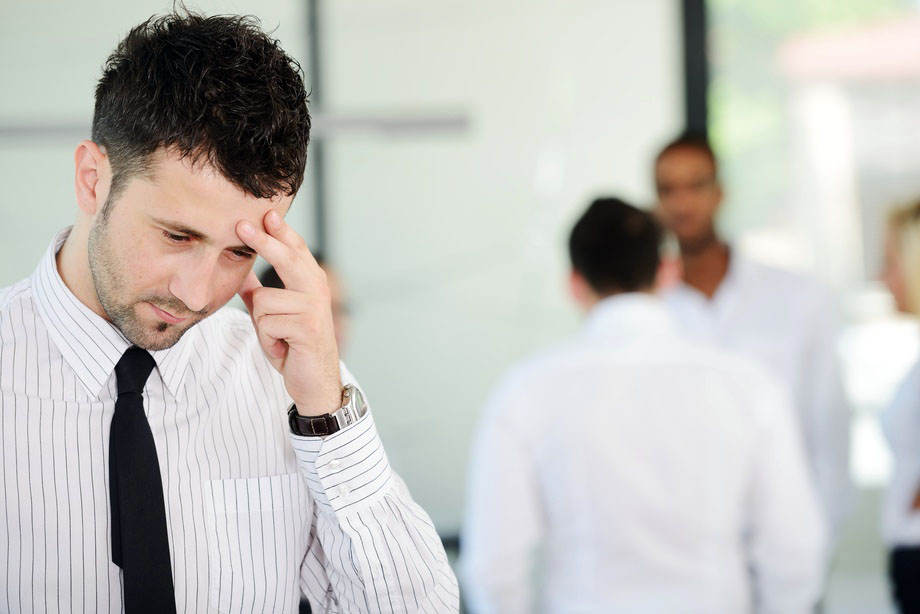
Business people with stress and worries in office

Unless you’re experiencing severe symptoms or losing consciousness (blacking out), OH is typically not a concern and can happen to anyone.  In my clinical experience, I have treated highly active adults and athletes as well as the elderly for OH.  The concern is greater for the elderly as it may be a sign of additional cardiac related illness such as congestive heart failure (CHF).  OH can increase the risk of falling which is already an issue for many elder adults.

The following conditions may increase the likelihood of developing OH:

  • A low blood volume from dehydration can cause OH, fatigue, and weakness. Be sure to adequately re-hydrate after activity. Soda and other processed drinks do not optimally hydrate your body. Water is best. Other options include coconut water, caffeine-free tea, and consuming fruits and vegetables.
  • Postprandial hypotension is a sudden drop in blood pressure after eating. The body shunts blood to the stomach and digestive system to aid in the digestion and transport of nutrients out of the gut. This can lead to low blood volume in other parts of the body and could cause OH. Eating small, low-carbohydrate meals may help to reduce symptoms.
  • When I am in a high volume cardiovascular training cycle, I tend to experience low blood pressure. Average blood pressure (BP) should be around 110/70 mm mercury. My blood pressure will be close to 100/60 mm mercury when I struggle with OH. To eliminate this problem, I increase my salt intake. Sherpa Pink Gourmet Himalayan Salt is my preferred type of salt to use. The extra sodium retains more fluid in my system which keeps my blood pressure up while providing important trace vitamins and minerals.
  • Bradycardia (slow heart rate) can increase your risk of OH. A slow heart rate is generally considered a healthy side effect of being cardiovascularly fit. A heart rate less than 60 beats per minute (bpm) is considered low. This is a common finding in well trained athletes as they range between 40-60 bpm. Other more serious heart conditions, such as heart valve related issues and CHF, can be associated with bradycardia. OH is also common post cardiac surgery or heart attack. If your heart rate is low or you’re experiencing cardiac issues, please consult with your physician.
  • Diabetes, thyroid dysfunction, and adrenal insufficiency as well as other hormone (endocrine) related issues can cause OH.
  • Many illnesses affecting the nervous system (spinal paralysis, Parkinson’s disease, and some forms of dementia) can cause OH related symptoms.
  • Many medications have side effects that can result in OH symptoms. If you develop symptoms of OH, address your medications with your medical physician or pharmacist.

Treatment options for OH include:

  • Compression. Lower extremity compression serves to help prevent blood from pooling in the lower extremities and can aid the venous return system. With compression, the heart doesn’t work as hard to pump blood to and from your toes. You can utilize a common ACE wrap, but I highly recommend that you purchase a mild over the counter compression sock (at least thigh high) such as Jobst Relief Therapeutic Thigh High Stockings. Do not apply any compression too tightly that it causes numbness or tingling in the legs, feet, or toes. In cases of spinal paralysis, an abdominal corset (binder) may be necessary to maintain a normal blood pressure.
  • Stand up slowly. If you’re suffering from OH, take your time when you first sit up after lying down or after you first stand up. Moving slowly will decrease your risk of injury (should you fall) while feeling dizzy.
  • Perform a cardiac warm up to get the blood in your legs moving prior to standing and performing an activity or exercise. Begin with tapping your toe 15 times on each foot. Then perform a seated knee extension by moving your leg straight out 15 times on each leg. Next, remain sitting, but march in place 15 times on each leg. Once you have completed this routine, stand up slowly (if you don’t feel dizzy) and proceed with your activity. Be sure to pause briefly to insure that you’re not experiencing dizziness as a delayed response of a few seconds is typical.

In most cases, OH is a common and benign condition.  It can affect anyone for many different reasons.  In most cases, dizziness can be easily treated with hydration and possibly a small increase in salt intake.  Elder adults should take care if they are experiencing dizziness.  Seek medical advice to determine if dizziness is a symptom of a more serious condition.  If the condition worsens or you lose consciousness, please consult with your medical physician as OH is just one of many forms of dizziness.

Thank you, Jill, for your question.  I hope these treatment options for OH will not only help you to determine the cause of your dizziness, but that they also decrease the frequency of your symptoms.  For additional information on dizziness, please refer to Q & A: Vertigo – Causes & Treatment and Q & A: How Do I Improve Balance? (Part I).

Have you ever experienced OH symptoms?  Which treatments for dizziness are the most effective for you?  Please share any recommendations that you may have by leaving your comments below.

If you have a question that you would like featured in an upcoming blog post, please comment below or submit your question to contact@thePhysicalTherapyAdvisor.com. Be sure to join our growing community on Facebook by liking The Physical Therapy Advisor!

Disclaimer:  The Physical Therapy Advisor blog is for general informational purposes only and does not constitute the practice of medicine or other professional health care services, including the giving of medical advice.  No health care provider/patient relationship is formed.  The use of information on this blog or materials linked from this blog is at your own risk.  The content of this blog is not intended to be a substitute for professional medical advice, diagnosis, or treatment.  Do not disregard, or delay in obtaining, medical advice for any medical condition you may have.  Please seek the assistance of your health care professionals for any such conditions.
Muscle Cramping & Spasms – Treatment Options

The list of potential reasons for developing a muscle cramp or spasm is quite long and somewhat arduous.  Once the cramp or spasms begin, it’s often quite painful!  Therefore, we’re highly motivated to act quickly to eliminate the spasm.  What can you do to prevent muscle cramps and spasms? More importantly, how can you recover from experiencing one?  I will provide simple treatment options to quickly help aid in your recovery.

For discussion purposes, I will address a spasm which isn’t caused by a serious medical condition such as a fracture, muscle tear and/or injury, or other medical conditions which would require the immediate attention of a healthcare practitioner.  If you believe that the spasm is from a serious medical condition, please do not attempt to self-treat the condition–immediately seek competent medical advice.

Over training or overexertion is a common issue experienced by many of the clients who I work with.  It remains a very sensitive topic as no one wants to admit that he/she was physically unprepared for an event or activity in which he/she participated in.  Don’t worry!  The point of participating in competition and other difficult activities is to test your body and to have fun!  During a race or sporting event, you will likely overreach from your training plan.  The hope is that your body is physically prepared to handle this overreaching without injury.  If you experience muscle cramps or spasms before or during an event, modify your training routine for the next event.

Top Tips for Treating Muscle Cramping & Spasms:

  • Massage – Contact a masseuse, physical therapist, athletic trainer, or friend who is skillful in body work and massage to relieve the area in spasm. The specific massage technique to use will vary according to your preference. Massage techniques range from a light relaxing massage to a deep tissue massage or utilization of acupressure points.
  • Foam Roller – The foam roller allows you to perform self-massage and tissue mobilization. The foam roller is a wonderful tool to prevent muscle cramping and spasms. Please refer to the following posts for more information: Foam Rolling For Rehabilitation and 5 Ways to Improve Range-Of-Motion. I highly recommend a High Density Foam Roller to help aid in your recovery.
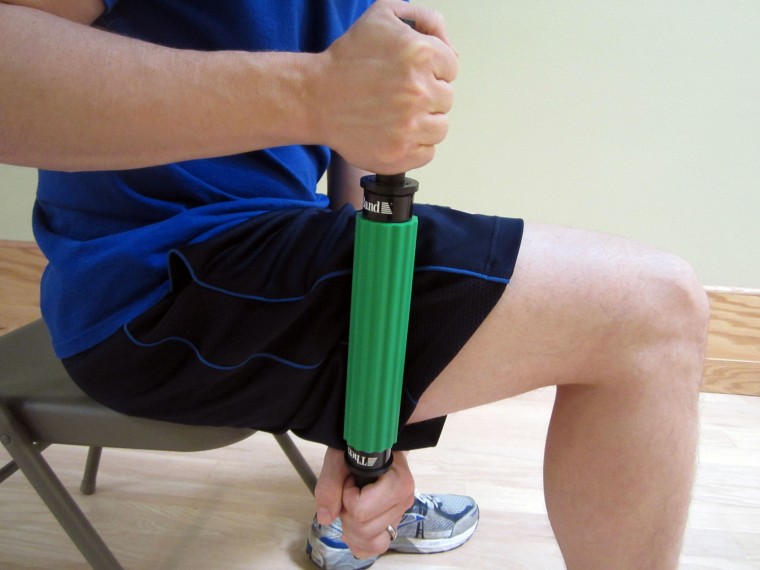
  • Other Self-Mobilization Tools – Many times, a friend or masseuse isn’t available to assist when you need the help the most. A foam roller cannot effective reach places in the upper back or arms, so other self-mobilization tools may be necessary. You can get creative and use a tennis ball or golf ball, but I like a specific tool called a Thera Cane Massager. This tool allows you to apply direct pressure to a spasming muscle. When held for a long enough period of time, the Thera Cane Massager will usually cause the muscle spasms to release and provide much needed pain relief! I am also a big fan of the Thera-Band Standard Roller Massager. I particularly like that its firmness allows for a deep amount of pressure. If you prefer something similar (but more flexible, for the boney regions of the thigh or lower leg), I recommend The Stick Self Roller Massager.
  • Topical Agents – Many topical agents can help decrease and eliminate muscle spasms. The method of action varies greatly according to the product used. You may find that one product works better than another. Some of my favorite products in my medicine cabinet include: Biofreeze Pain Relieving Gel; Arnica Rub (Arnica Montana, an herbal rub); and topical magnesium.
  • Magnesium Bath – The combination of warm water with magnesium is very soothing and relaxing. Options include: Epsoak Epson Salt or Ancient Minerals Magnesium Bath Flakes. I find that the magnesium flakes work better, but they are significantly more expensive than Epson salt.
  • Oral Magnesium – You can take Mag Glycinate in pill form or by eating foods higher in magnesium such as spinach, artichokes, and dates. Taking additional magnesium (particularly at night) can help to reduce muscle cramps and spasming. It is also very helpful in reducing overall muscle soreness and aiding in a better night’s rest. I recommend beginning with a dose of 200 mg (before bedtime) and increasing the dose as needed. I would caution you that taking too much magnesium can lead to diarrhea. Mag Glycinate in its oral form is the most highly absorbable. Although not as absorbable, Thorne Research Magnesium Citrate and magnesium oxide can also be beneficial.
  • Increase your Electrolyte Intake – You may need to increase your potassium, sodium, or calcium intake to your diet or consider supplementation. Sherpa Pink Gourmet Himalayan Salt contains the electrolytes you would expect as well as a host of other trace minerals. I have found this to be highly effective for cramps and muscle soreness. It also helps me to sleep more soundly. I highly recommend it to anyone who is suffering from chronic cramping or after participating in an athletic event. Drink a small glass of warm water, mixing in a teaspoon full of pink Himalayan sea salt, before bedtime.
  • Fix Your Posture – Poor posture is one of the most common causes of muscle cramping and spasming as well as pain. This is particularly true if you spend a good portion of your day sitting. Sign up to receive my weekly blog posts via e-mail, and I will share with you My Top 8 Stretches to Eliminate Neck, Upper Back, and Shoulder Pain. These simple exercises, with complete instructions and photos, will help you to improve poor posture and can be performed at home.
  • Move More – Not only has research proven that sitting for more than two hours at a time decreases your expected life span, but extended sitting also leads to increased muscle tension, cramping, and pain. If you sit most of the day, get up and walk. If you stand most of the day, frequently change your standing posture. To optimize health and joint function, you should take each joint in your body through a least one full range-of-motion (ROM) every day.
  • Stretch – Stretching is a wonderful way to help eliminate a muscle spasm. We instinctively stretch when we feel a spasm begin. Try gently stretching (lengthening) the muscle which is in spasm. I recommend beginning with a short 30-60 seconds stretch, then repeating as needed. If the spasm or cramp is severe, you will likely need to continue stretching several times in a row, multiple times throughout the day. Stretching should always be part of a general fitness and lifestyle program. As we age, muscle and tendons tend to lose elasticity so stretching becomes even more important. I highly recommend a daily stretching routine or participation in a group class, such as yoga, which incorporates full body stretching.
  • Acupuncture – I am personally a big fan of acupuncture. It is very useful in treating all kinds of medical conditions. It can be particularly effective in treating muscle cramps and spasms as it addresses the issues on multiple layers. Acupuncture directly stimulates the muscle by affecting the nervous system response to the muscle while producing a general sense of well-being and relaxation.
  • Speak with your Physical Therapist (PT) or Physician (MD) – If the above techniques are not helping or if the muscle cramps and spasms continue to come back regularly, speak to your medical provider to determine if other causes are contributing to the problem. The American Physical Therapy Association (APTA) offers a wonderful resource to help find a physical therapist in your area. In most states, you can seek physical therapy advice without a medical doctor’s referral (although it may be a good idea to hear your physician’s opinion as well).

What are your top tips for dealing with muscle cramping and spasms?  Please post your comments below as we could all use a few more tricks to eliminate pain!

If you have a question that you would like featured in an upcoming blog post, please comment below or submit your question to contact@thePhysicalTherapyAdvisor.com.  Be sure to join our growing community on Facebook by liking The Physical Therapy Advisor!