Why You Won’t Heal – Part 4

Poor Nutrition

There are many reasons and factors that affect a person’s ability to heal and recover from an injury or illness.  One of the most common, yet the most basic, reason is poor nutrition.  The healing tissue and the body may not be receiving the proper base components to actually heal.  In Part 4 of the series, Why You Won’t Heal, I address how poor nutrition can negatively impact how one heals from an injury or illness.  Consuming the right foods to provide the proper nutrients for your body is critical in order to fully heal and recover from an injury or illness.

Two Reasons Why Nutrients aren’t getting to the Injured Area:

1. The injured area or tissue just isn’t getting adequate nutritional and growth factors to the actual tissue. 

This is a logistical delivery issue.  For example, the blood supply to the injured area may be compromised.  Without a proper blood supply to the healing tissues, the area will not receive vital nutrients and healing factors which is a critical component of the healing process.

One possible reason for poor blood supply may be due to dysfunction in one’s cardiovascular system (such as heart disease or atherosclerosis, the hardening and narrowing of the arteries).  Another reason may be that the injury is to a tissue that inherently has a poor blood supply such as cartilage tissue.  In the case of lumbar discs, they rely more on movement than blood supply to circulate nutrients.

If it’s not a delivery issue, then there are cases where it may be an absorption issue.  This can occur in the case of a digestive related issue that affects the body’s ability to actually get the needed nutrients from the consumed food into a useable form in the body.  This includes conditions such as Crohn’s disease and leaky gut syndrome.

2. A person’s food choices and lifestyle are not allowing for the body to have the base nutrients needed to actually heal from the injury. 

Sadly even in western societies where food is overly abundant, so is malnutrition.  I work with clients who are obese and have access to an adequate amount of food with plenty of caloric intake to survive, yet they are so nutrient deficient that their rehabilitation potential is very poor.  An abundance of food and calories does not necessarily equal adequate amounts of nutrients and micronutrients to be healthy.  This is the primary problem behind our obesity epidemic including metabolic syndrome, diabetes, and heart disease.

As a physical therapist, I help to educate my clients about a wide variety of strategies from advice on exercise, hands-on techniques (such as myofascial and joint mobilizations), and self-care techniques (such as basic nutrition) because it’s a critical component in how a person can heal and recover from an injury or illness.

Many of my clients have the following conditions which have a nutritional component to them:  osteoporosis; sarcopenia; autoimmune diseases; metabolic syndrome; diabetes; and heart disease.  Even when a client doesn’t have a specific systemic condition, proper nutrition is still a factor on how an injury will heal whether it’s from an ankle sprain or from a knee or a shoulder surgery.

Often times, I will work with a physician, registered dietitian or nutritionist to help educate my client on proper eating habits.  I also commonly refer clients to certain books, such as Dr. Josh Axe’s Eat Dirt: Why Leaky Gut May Be the Root Cause of Your Health Problems and 5 Surprising Steps to Cure It, which can help to educate them on number of different topics.

As a physical therapist, it’s not uncommon for me to see someone who is struggling with healing from an injury.  He/she may be performing the right exercises and receiving the proper treatment, yet he/she is unable to properly heal because his/her body doesn’t have the proper nutrition level to allow the healing to occur.  It is important to remember that poor eating habits not only sabotage your results, but can also lead to severe chronic illnesses.

Focus on your Recovery Nutrition

In order to fully heal and recover from an injury or illness, consuming the right foods to provide the proper nutrients for your body is critical.  The majority of your diet should be from real food.  My personal belief is that food which is minimally processed, organic and/or home grown is likely to have a higher nutrient load and will therefore be healthier for you.  Your body simply cannot heal and recover quickly or adequately when substandard fuel “food” is consumed.

In today’s society, it’s possible to have an overabundance of calories and still be nutritionally deficient and malnourished.  It’s critical to focus on nutrient rich food and avoid “empty” calories.  That includes food which has no nutritional value (junk-food).

Maintaining muscle mass is critical for recovery and rehabilitation as well as for injury prevention.  Initially, focus on macronutrients (fat, protein, and carbohydrates) when it comes to food.  During the rehabilitation process, focus on a diet high in protein from many sources (plant and animal-based), high in fruits and vegetables, and low in processed carbohydrates.

Newer research concludes that as a person ages, his/her protein needs do not actually decrease, but remain elevated as the body’s ability to process protein decreases.  It’s important to have higher amounts of protein available for use.  During recovery, additional protein is often needed to insure healing tissues have the building blocks necessary for recovery.  For more information on protein supplementation, please refer to How Much Protein Do I Really Need?

Each person is different as is the recovery process and one’s prior health status.  The diet should be tailored to your individual needs.  There isn’t just one perfect diet plan—these are only guidelines.  Please discuss your dietary concerns with your medical provider.

Supplementation

The ultimate goal with supplements is to aid your body in improving health and nutritional status.  Try to choose the most natural products as possible and experiment to see what works best for you.  Look for supplements that don’t contain extra fillers, sweeteners or additives.

The following list includes my most common recommended supplements to take during the rehabilitation process:

Protein

Protein is a critical macronutrient that is highly important in maintaining the building blocks needed to support the muscular system (including skin and tissue).  Additional protein is often helpful during the recovery process if you have experienced a muscle or tissue injury.  Additional protein in your diet can stabilize blood sugars and satiate your appetite.

Capraflex

My most recommended supplement to help recover from injury is CapraFlex by Mt. Capra.  It combines an organic glucosamine and chondroitin supplement with other natural herbs which are designed to reduce inflammation.  CapraFlex can be taken long term or intermittently.  I use it to help recover from acute injury.

Magnesium

Magnesium is a critical component of bone health and health in general.  Magnesium helps the body to regulate calcium levels.  This has a positive effect on bone health and also has been proven to reduce the risk of kidney stones.

You can take Mag Glycinate in pill form or by eating foods higher in magnesium such as spinach, artichokes, and dates.  Most people are deficient in the amount of magnesium they consume on a regular basis.  I recommend beginning with a dose of 200 mg (before bedtime) and increasing the dose in 100 mg intervals as needed.  I would caution you that taking too much magnesium can lead to diarrhea.  Mag Glycinate in its oral form is the most highly absorbable.  Although not as absorbable, Thorne Research Magnesium Citrate and magnesium oxide can also be beneficial.

Vitamin D3

Vitamin D3 is critical to the absorption of calcium through the intestinal wall which is important for bone health.  It’s also a critical nutrient in maintaining a healthy immune system.  However, there are potential cardiac risks to over supplementation.  A healthy varied diet will typically supply adequate calcium levels (assuming that adequate Vitamin D3 levels are present for absorption and that you are avoiding drinking soda).

Vitamin K2

Research indicates that Vitamin K can help to reduce bone loss by helping the body regulate osteoclast function within the bone.  An osteoclast is a type of bone cell that breaks down bone tissue.  These very important cells are integral in maintaining proper bone density and insuring an appropriate amount of calcium in the blood stream.  Without adequate calcium, many critical cell functions can be affected (including heart function).  Both Vitamin K1 and K2 have been proven to reduce the risk of fractures, including hip and vertebral.  Vitamin K (best found in green leafy vegetables) has anti-coagulation benefits.  If you take blood thinning medications, your physician will need to know how much you consume on a regular basis.

Coconut Oil

In past years, there has been a real push for toward a low fat diet.  However, people have forgotten that fats are a critical macronutrient when consumed at reasonable levels and via real foods (such as coconut oil or avocados).  The nervous system relies on adequate levels of fats and cholesterols to be present.  Insuring the proper amount of fat consumption is critical when healing from a neurologic injury or condition.  It’s also helpful for weight loss because it can satiate your appetite.

Super Greens

Green super foods, such as spirulina algae, chlorella algae, and wheat grass are packed high in antioxidants.  They can have a cleansing and an alkalizing effect which will decrease your inflammation level and aid in recovery.  Super greens boost your immune system and are generally good for you.  I think the argument can be made that algae is the king of “super” foods.  It is likely the most important food/supplement most people are not taking.

I am particularly fond of supplementing with algae as a super food because it addresses many of the most common nutrients needed during rehabilitation.  Algae have high levels of protein as well as magnesium and other critical micronutrients in order to help you recover.

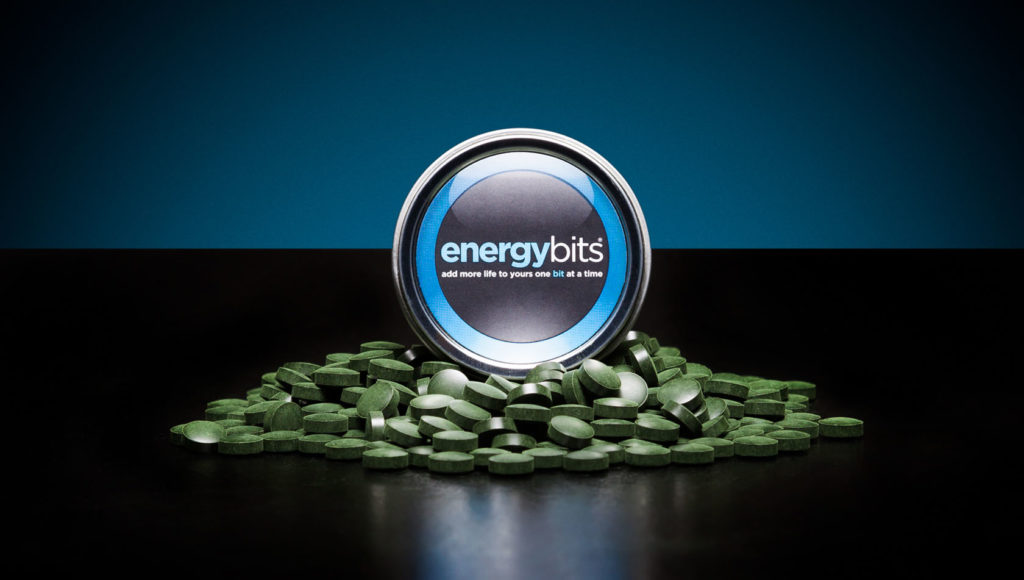
My new favorite way to add greens and protein in general is a supplement called ENERGYbits® and RECOVERYbits®.  They are made from organically grown NON GMO spirulina algae or chlorella algae.  Spirulina algae have a high concentration of plant-based protein (64%).  It also contains 40 vitamins and minerals including iron, nitric oxide, Omega-3, and all of the B vitamins.  Chlorella is high in protein.  It also has detoxing properties and an impressive micronutrient profile.
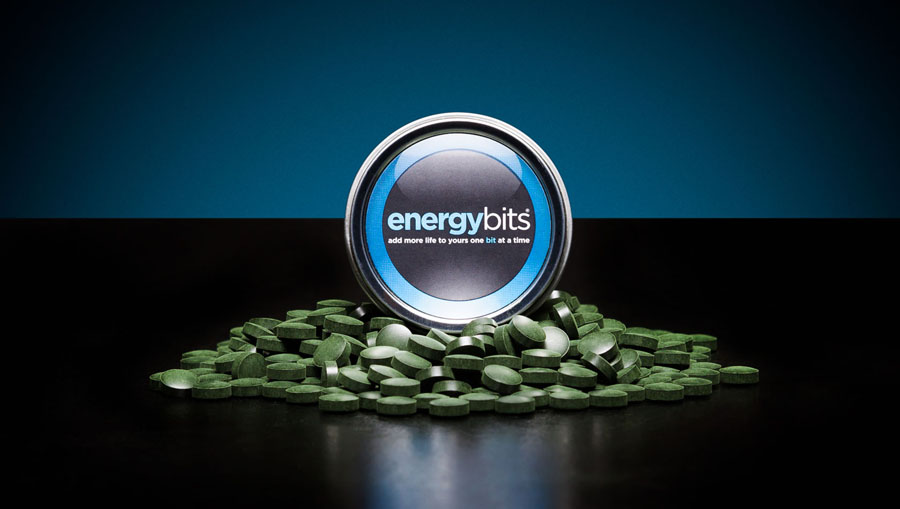
Because of their overall nutritional profile I now consider spirulina and chlorella algae a top rehabilitation and recovery supplement.  I recommend taking 30-45 of these small tablets per serving.  I recommend swallowing them whole, but you can chew them.

If you want to learn more about algae be sure to listen to Ben Greenfield’s interview with the founder of ENERGYbits®, Catharine Arnston, on the benefits and importance of algae.  Please refer to Is This The Most Dense Source Of Nutrition On The Face Of The Planet?

In full disclosure, I am now an affiliate for ENERGYbits®.  I signed up primarily to get the same 20% discount I can offer you.  You can only purchase them online, so when you check out, just enter discount code PTAdvisor for 20% off all products.

BUY NOW

Adequate nutrition is an important component to the rehabilitation and recovery process.  There is a direct correlation between your nutritional status and your ability to heal.  Each of us has different needs based on our individual health status.

As a physical therapist, I offer general guidelines based on what has worked for my past clients.  However, I recommend that you find a nutritional expert to be part of your rehabilitation team as well.  If you are not healing from your injury, it’s very important to insure that any and all dietary concerns are properly addressed.  Don’t skip this step as poor nutrition can and will derail your recovery process.

Have your food choices positively or negatively affected your recovery from an injury or illness?  Which supplement might you consider taking?  Please leave your comments below.

If you have a question that you would like featured in an upcoming blog post, please comment below or submit your question to contact@thePhysicalTherapyAdvisor.com.  Be sure to join our growing community on Facebook by liking The Physical Therapy Advisor!
My Top 5 Most Popular Posts of 2016!

As 2016 comes to a close, more and more people are realizing the value of taking control of their health care and personal well-being.  In today’s health care environment, we all need to learn how to treat common aches and pains proactively instead of reactively.  We must get to the root of the issue instead of placing a Band-Aid over it.  Our present health care system in America is not designed to help you optimize your health–that is your job!

2016 marks the first time that the media started to wake up to America’s prescription opioid addiction.  The news and many research articles discussed America’s opioid addiction including their disastrous consequences on one’s health and the nation’s health care system in general.  Not to mention, how poorly opioids actually are in managing long term pain.

The purpose of The Physical Therapy Advisor is to help people like you to take control of your health and to save money by learning how to safely self-treat and manage common musculoskeletal, neurological, and mobility related conditions safely and effectively without opioid use.

My Top 5 Most Popular Posts of 2016:

  1. How to Use Shoulder Pulleys to Regain Shoulder Motion – Maintaining adequate shoulder mobility is critical after surgery and/or avoiding osteoarthritis of the shoulders.  The shoulder pulley is often one of the first exercises initiated after surgery or injury. However, it’s often performed incorrectly.  In this video, I demonstrate the proper way to utilize a shoulder pulley.
  2. Exercise as Medicine – Too often, people look towards pharmaceuticals in order to help manage medical conditions.  Exercise is a highly effective and often underutilized method to treat many common, yet serious, medical conditions such as diabetes, heart disease, and osteoporosis.  Exercise is medicine when prescribed and performed correctly.
  3. 3 Simple Exercises to Help You Age Well – Maintaining functional mobility as we age is critical.  First, you need to maintain the ability to stand up.  This insures that you can get up from a chair or a commode/toilet.  Second, you need to maintain your ability to ambulate to insure that you can perform the other needed activities of daily living more easily.  Lastly, you need the balance to safely perform these tasks.  Walking, squatting, and improving your balance will help you to age well.
  4. 5 Strategies to Train Smarter for your next Obstacle Course Race – Obstacle course racing (OCR) is one of the hottest new sports around for all fitness levels (including the novice to expert thrill seekers).  This post highlights the five lessons I learned from my training seminar on OCR races with Ben Greenfield from www.Bengreenfieldfitness.com and Michael Caron from www.Getburly.com.
  5. Got Text Neck? – Have you noticed that wherever you go nowadays that you constantly see people walking and looking down at their cell phones?  No wonder that the term “text neck” is now being used to describe chronically poor posture!  This post explores the role of poor posture related to neck and headache pain along with tips for prevention and treatment.

2016 has been a wonderful year!  I successfully launched my first eBook and video package, Treating Low Back Pain (LBP) during Exercise and Athletics.  I share very specific strategies for LBP prevention among athletes such as sport enthusiasts, CrossFitters, weightlifters, and runners.  These principles are helpful for anyone participating in athletics as well as those implementing a healthy lifestyle.  This eBook addresses the specific causes of LBP as well as the best practices on how to prevent and self-treat when you experience an episode of LBP.  A 7-part series of instructional videos is also available and includes nearly 60 minutes of actionable advice to prevent and treat LBP.

CLICK TO LEARN MORE!

In addition to my new eBook, I have continued to feature reader submitted Q & A’s as well as many exercise and training posts including posts written for the Marathon Training Academy.

This past fall, I featured a six part series on headache pain which includes prevention and treatment tips.  An important focus continues to be on longevity and healthy aging.  This includes ongoing guest posts on healthy senior living for the Seniors Blue Book.  (Check out my top 3 recommended daily fall prevention exercises as featured in the latest Seniors Blue Book!)

Looking toward 2017, I will continue to offer free self-treatment advice to help YOU manage common musculoskeletal, neurological, and mobility related conditions in a timely manner.  Together, we can all learn to age well and reach our optimal health!

Don’t forget subscribe to my e-mail newsletter!  I will send you my blog posts on how to maximize your health, self-treat those annoying orthopaedic injuries, and gracefully age.  To thank you for subscribing, you will automatically gain access to my FREE resources, including a FREE CHAPTER from my eBook, Treating Low Back Pain During Exercise and Athletics.

Thank you for supporting The Physical Therapy Advisor! I look forward to serving you in 2017!  If you have a question that you would like featured in an upcoming blog post, please comment below or submit your question to contact@thePhysicalTherapyAdvisor.com.  Be sure to join our growing community on Facebook by liking The Physical Therapy Advisor!
5 Strategies to Train Smarter for your next Obstacle Course Race (OCR)

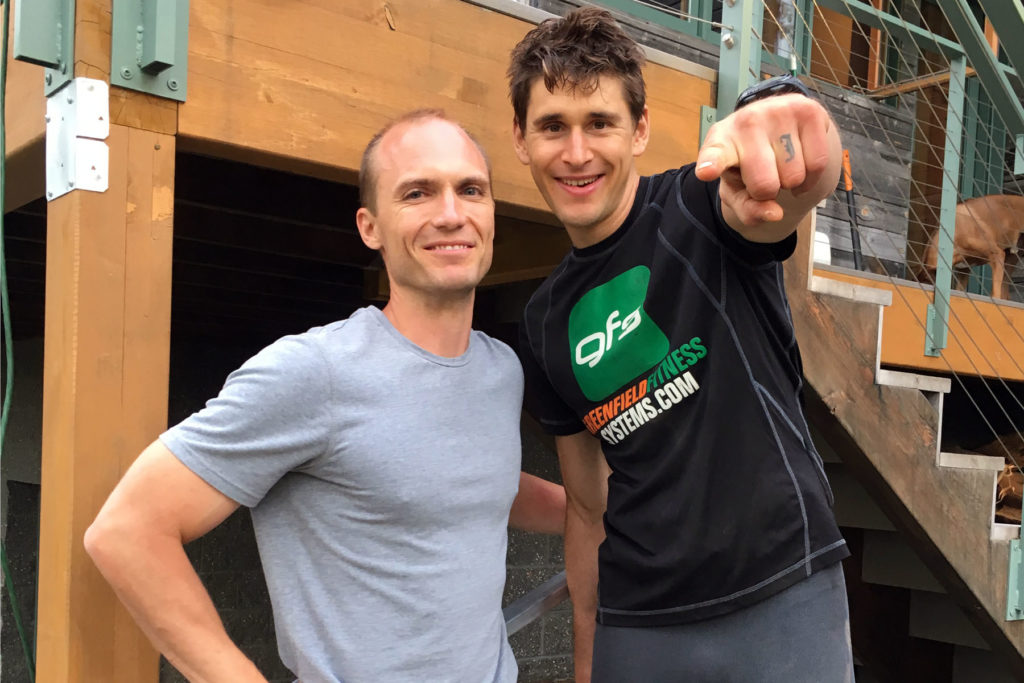
I recently spent time training with Ben Greenfield, a renowned triathlete, obstacle course racer, health guru, author, and Internet health celebrity.  He organized an eight hour obstacle course race training program recently in Spokane, Washington.  Participants trained together and were taught the best practices to compete at a higher level in the sport of obstacle course racing.

BenShatto_BenGreenfield

The interesting thing about obstacle course racing is the diversity found within the sport.  There are athletes who compete at the highest level and capacity as well as those who are just beginners.  If you are a beginner, a coach can help to insure that your improvement is not hampered by poor training techniques that will ultimately lead to injury.  If you perform at an elite level, a coach can help fine tune your training and get you on the winner’s podium.

Regardless of your fitness level, a good coach can help you take your training to the next level.  The following five strategies that I learned from Greenfield will help me to both train and compete at a higher level.

5 Strategies to Train Smarter for your next Obstacle Course Race (OCR):

1. Improve your grip strength.

Proper grip strength is important when competing in an OCR.  In most cases, the number one reason to fail or not complete an obstacle is due to poor grip strength.  Easy exercises to train grip strength include: dead lifts, pull ups, and farmers carries.  Greenfield recommends hanging from a pull up bar for time as a way to judge your fitness while gaining strength and endurance in your grip.

He also highly recommends working on wrist and finger extension strength.  In my physical therapy practice, I have concluded that it’s critical for clients to keep the appropriate balance between wrist flexors and wrist and finger extensors strength to lessen the risk of certain wrist and elbow overuse injuries (such as tennis elbow or golfer’s elbow).

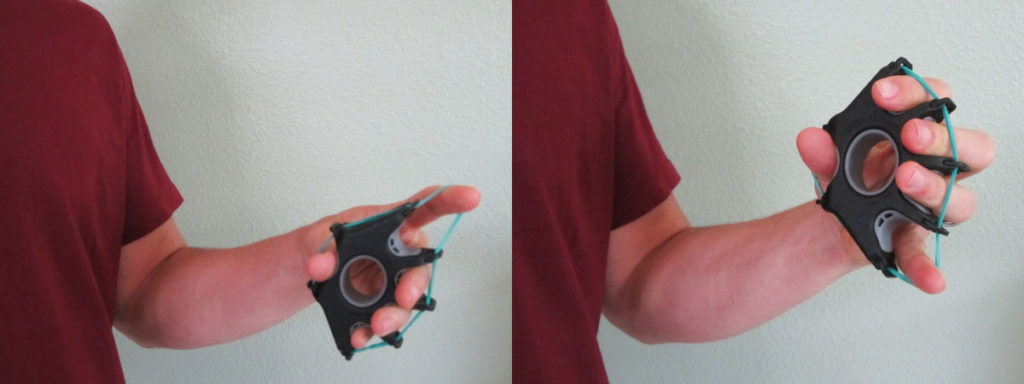
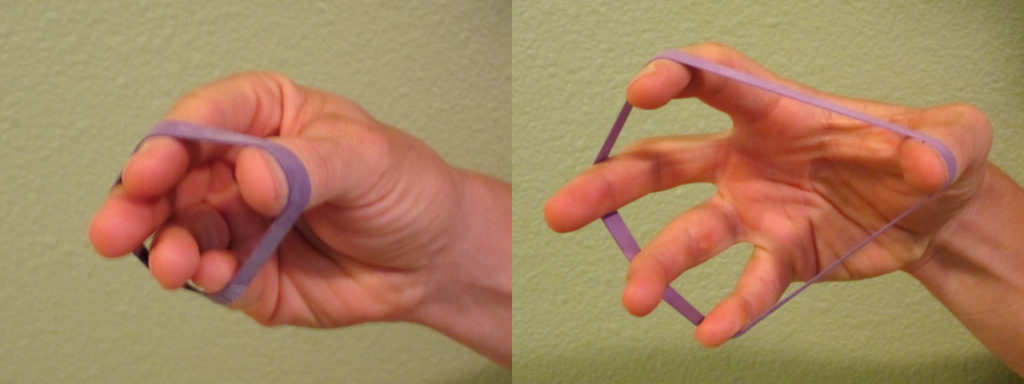
Your grip strength will improve more rapidly as your wrist and hand muscles find their optimal length tension relationship (which allows for maximum strength production).  Like Greenfield, I often recommend using a thick rubber band as a way to improve finger extension strength (as demonstrated below).  Work on extending each finger equally when performing two sets of 10-15 repetitions multiple times per week.

GripStrengthCollage

If you want to be more precise and have the ability to exercise one finger at a time, try a device such as the CanDo® Digi-Extend® Hand Exerciser.  This is an excellent tool to improve finger extension strength.  It allows you to work the fingers in multiple ways including individually for rehabilitation purposes and as an important hack to improve overall grip strength (as described above).  It also allows for customization of resistance so you can track progress.

2. Work on your running.

Greenfield and I both agree that obstacle course races are still primarily a running event.  You run, perform an obstacle, and run some more. In order to better prepare for any OCR event, a good portion of your running should contain a heavy dose of trail running with a focus on hills.  For further information, please refer to Are Obstacle Course Race (OCR) Athletes Finally Getting It?

3. Implement High Intensity Training (HIT) or High Intensity Interval Training (HIIT) into your exercise routine.

Research continues to develop in support of the importance of High Intensity Interval Training (HIIT) for athletes.  The ability to perform short bursts of high intensity activities has a significant positive effect on many of the body’s major systems.  HIIT is a superior approach to increase cardiovascular fitness and improve hormonal regulation.  When performed properly, one to three HIIT style workouts per week will be sufficient to see improvements.

CrossFit workouts are often an effective and relevant form of high intensity training (HIT).  It’s an excellent method to train your legs and body to handle the hilly and variable terrain.  The constantly varying movements and exercises performed in CrossFit can help you prepare for the varying types of obstacles.

4. Use sport specific training.

This is a concept that is often confusing.  Every athlete needs to spend time training.  Training is performing an activity, such as weight lifting, for the expressed purpose of making the body stronger.

The importance of sport specific training is different.  This is training in your specific sport or activity with the expressed purpose of improving that activity.  Training for a runner may also include very specific running drills designed to work on specific components of running.

In order to improve in the sport of obstacle course racing, you need to practice performing the different obstacles such as the following:

  • Picking up heavy objects and carrying them either in front or sometimes on your shoulders
  • Pulling sleds
  • Scaling walls
  • Swinging and climbing along monkey bars
  • Rope climbing
  • Crawling in mud

This training would be separate from your actual running training.  However, you would combine both performing the obstacles with running as sport specific training.  The take home message from training with Greenfield is that if you want to improve, then you will need to practice.  There is nothing better than having a coach who is an expert at the sport.

5. Learn how to recover properly.

The eight hour obstacle course race training program was a long time for me to stay active and exercise.  Just like any hard work out or race, it’s important to implement proper recovery strategies.  When possible, avoid traveling a long distance right after an event or race.

By implementing many of the following strategies outlined in 14 Tips and Strategies to Self-Treat Muscle Pain and Muscle Cramping & Spasms – Treatment Options, I was able to quickly return back to my training and preparation for my next event.

As with any exercise and activity, obstacle course racing is not without risk.  With proper training and recovery strategies, a majority of the risks can be eliminated.  If an injury occurs, it’s important to take care of it quickly to avoid worsening symptoms and prolonging your recovery.  Please consult with your coach or physical therapist so you don’t lose time on your training.

Which strategy can you implement in order to take your obstacle course race training to the next level?  Please share your comments below.

A special thank you to Ben Greenfield for sponsoring a fantastic event!  I highly recommend that you check out his popular fitness, nutrition and wellness website BenGreenfieldFitness, which features blogs, podcasts, and product reviews.

If you have a question that you would like featured in an upcoming blog post, please comment below or submit your question to contact@thePhysicalTherapyAdvisor.com.  Be sure to join our growing community on Facebook by liking The Physical Therapy Advisor!
How to Leverage your Nutrition to Train Harder and Recover Faster

As a physical therapist, I help to educate my clients about a wide variety of strategies from nutrition to physical components including advice on exercise, hands-on techniques (such as myofascial and joint mobilizations), and self-care techniques.  Time and time again in my practice, a client will struggle with healing from an injury.  He/she may be performing the right exercise and receiving the proper treatment, yet he/she is unable to properly heal because his/her body doesn’t have the proper nutrition level to allow the healing to occur.  Poor eating habits not only sabotage your results, but can also lead to severe chronic illnesses (such as heart disease and diabetes).

Preparing To Lift Heavy Weight Bar

Your body’s ability to train harder and recover faster is not just about the exercises performed.  It should also be centered on the fuel you put in your body.  Your body cannot perform optimally, recover adequately or heal from injury properly without adequate nutrition.

Focus on your Recovery Nutrition

The majority of your diet should be from real food.  My personal belief is that food which is minimally processed, organic and/or home grown is likely to have a higher nutrient load and will therefore be healthier for you.  Your body simply cannot heal and recover quickly or adequately when substandard fuel “food” is consumed.

Initially, focus on macronutrients (fat, protein, carbohydrate) when it comes to food.  For me, this includes a diet high in protein from many sources (plant and animal-based), high in fruits and vegetables, and low in processed carbohydrates.

Runners and endurance athletes should pay particular attention to protein intake as maintaining muscle mass is critical for performance and injury prevention.  For more information on protein supplementation, please refer to How Much Protein Do I Really Need?

Consider Supplementation

I am a believer in supplements although you must choose wisely.  Your dietary belief system, genetics, and the type of exercise and/or activity you mainly participate in will determine which supplements may work best for you.

When choosing supplements, I tend to gravitate toward supplements that can enhance performance, improve recovery, stabilize blood sugar, and reduce systemic inflammation.  The ultimate goal with supplements is to aid your body in improving health and/or performance.  Try to choose the most natural products as possible and experiment to see what works best for you.  Look for supplements that don’t contain extra fillers, sweeteners or additives.  For more information on supplementation, please refer to My Top 10 Supplement Recommendations.

Add Super Greens to your Diet

Most people do not consume enough greens.  Green super foods, such as spirulina algae, chlorella algae, and wheat grass are packed high in antioxidants.  They can have a cleansing and an alkalizing effect which will decrease your inflammation level and aid in recovery.  Super greens boost your immune system and are generally good for you.  I think the argument can be made that algae is the king of “super” foods.  It is likely the most important food/supplement most people are not taking.

I have been experimenting taking algae for the last four months, and it has allowed me to train harder and recover faster.  I am setting new milestones in my ability to perform many of my more difficult CrossFit exercises (such as ring muscle ups).  I have seen more improvements in strength, cardiovascular performance, and recovery then at any other time in my life.

My new favorite way to add greens and protein are supplements called ENERGYbits® and RECOVERYbits®.  They are made from organically grown NON GMO spirulina algae or chlorella algae.  Spirulina algae have a high concentration of plant-based protein (64%).  It also contains 40 vitamins and minerals including iron, nitric oxide, Omega-3, and all of the B vitamins.

ENERGYbits_ProductPhoto

Because of their overall nutritional profile I now consider spirulina and chlorella algae a top performance and recovery supplement.  I take 30-45 of these small tablets per serving.  I have had great success taking them prior to a work out and directly afterward.  I also take them mid-day as a snack or meal replacement.

A general rule is to consume spirulina prior to exercise (which are the ENERGYbits®) and chlorella (which are the RECOVERYbits®) after exercise.  Chlorella is high in protein.  It also has detoxing properties and an impressive micronutrient profile.

Also, be sure to listen to Ben Greenfield’s interview with the founder of ENERGYbits®, Catharine Arnston, on the benefits and importance of algae.  Please refer to Is This The Most Dense Source Of Nutrition On The Face Of The Planet?

In full disclosure, I am now an affiliate for ENERGYbits®.  I signed up primarily to get the same 20% discount I can offer you.  You can only purchase them online, so when you check out, just enter discount code PTAdvisor for 20% off all products.

BUY NOW

Avoid Injury and Overtraining Syndrome (OTS)

Nutrition is an important component for both performance and recovery.  Proper recovery is critical to avoiding injury and Overtraining Syndrome (OTS).  Every recovery protocol should include a multifaceted approach that incorporates strategies to positively affect the muscular, nervous, and hormonal systems.  This includes proper nutrition, getting adequate sleep, cross training, and implementing self-care modalities (such as compression band use and foam roller use).

OTS usually starts with muscle soreness and a feeling of fatigue.  Then it quickly progresses into a case of overtraining syndrome or injury.  Overtraining can occur when the intensity and/or volume of exercise becomes too much for the body to properly recover from.  It’s always best to prevent OTS rather than attempt to recover from it.

Nothing can derail your best laid training plans and goals like an injury or suffering from OTS!  If you develop OTS, you will need to take specific steps to speed up your recovery in order to prevent injury and return to a normal training schedule.

AVAILABLE NOW ON AMAZON!

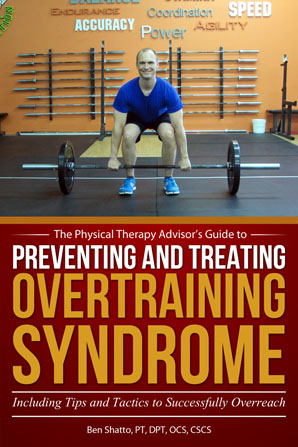
In my book, Preventing and Treating Overtraining Syndrome, I show you how to recognize the risk factors and symptoms of OTS.  You’ll learn how to utilize prevention strategies to help you develop a personal training strategy that will allow you to push past your limits and prior plateau points in order to reach a state of what is known as overreaching (your body’s ability to “supercompensate”).  This will speed up your results, so that you can train harder and more effectively than ever before!  In addition, learn how to use the foam roller (complete with photos and detailed exercise descriptions) as part of a health optimization program, recovery program, rest day or treatment modality.

Discover how you can continue to train hard and avoid the associated poor performance, illness, and injury that can result in lost training days and opportunity!

BUY NOW

How to Train for an Obstacle Course Race

Obstacle course racing (OCR) is growing quickly and becoming a very popular sport.  It is a fun way to challenge your strength, fitness, and mental fortitude.  With the proper training and recovery, this style of racing can be performed safely.  Whether you are a newbie or a seasoned Spartan, I offer tips on how to optimize your racing experience.

(Courtesy of Reebok Spartan Race)

(Courtesy of Reebok Spartan Race)

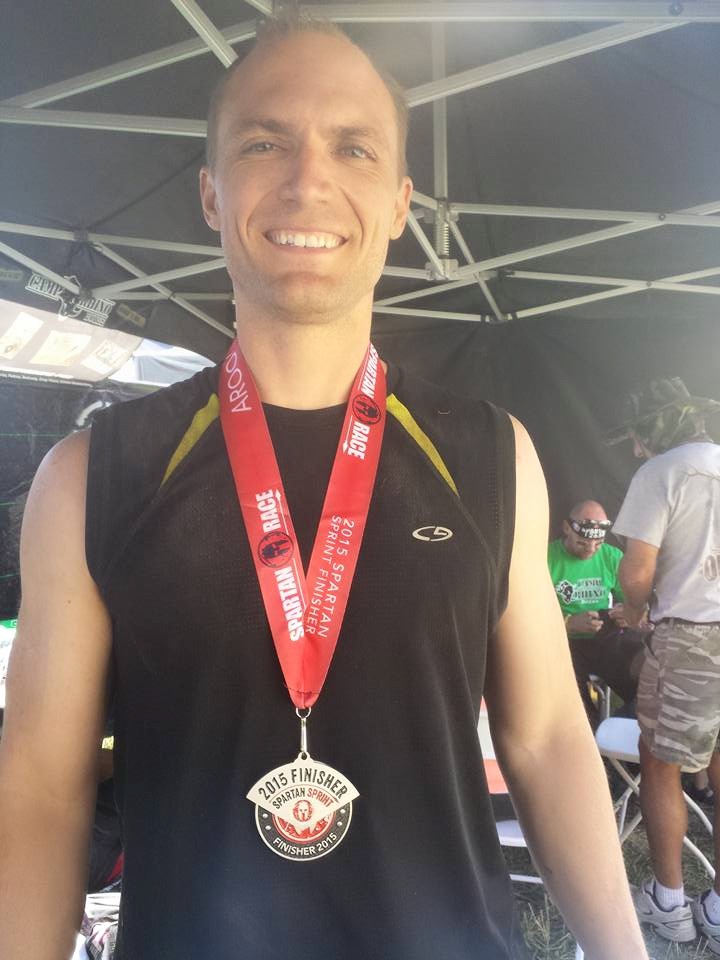
I competed in my first OCR, the Boise Spartan Sprint, thanks to a friend.  She transferred her registration to me after suffering a knee injury and was unable to participate.  Thank you, Jenifer, for prompting me to try something new!  It was a blast!

How to prepare for an OCR?  Without any prior experience, I started by listening to Ben Greenfield’s Obstacle Dominator Podcast and reading about Spartan Race Training.  I have competed in many running and trail races at varying distances, so I felt that I could adequately train despite being on a long vacation the two weeks prior to the race.

The Boise Spartan Sprint

Obstacles, courses, and distances vary for each event.  This particular course offered options to skip certain obstacles, but you had to pay a 30 burpee penalty.  Although there were options available to insure all who wanted to participate could, the terrain was not suitable for everyone.  There were five quite steep hills to climb up and down during the 4 mile course.  They were much steeper than I expected, and I’m used to hiking similar terrain while hunting.

SpartanSprint_Hills

The other surprise was how the water obstacles made for a new challenge (particularly when combined with other obstacles such as the rope climb).  I am typically a pretty good rope climber, but getting a good foot hold was difficult when submerged in 3 feet of water.  Fortunately, I was able to overcome the challenge.

After experiencing the general tempo of this particular course and its layout, I better understand how to train for an OCR.  My final ranking was number 180 out of 3,394.  Not too bad for a first attempt, but nothing like the elites!  I will be sure to incorporate more of these tips and lessons learned when training for my next OCR.

Finisher

7 Tips on How to Train for an Obstacle Course Race:

  1. High intensity interval training (HIIT). The amount of HIIT in preparation for your race will vary and is dependent on the distance. If the race course will be a shorter distance (under 5 miles), then a majority of your running could be HIIT and shorter distance recovery runs. If you will be competing in longer distances (10 miles or more), then I would still incorporate a weekly longer run just so your body will be prepared for the mileage and time on your feet. I highly recommend that you run outside–preferably on a trail or uneven terrain to prepare your legs adequately. You will need to feel comfortable running downhill on uneven terrain. Please refer to my Training Plan that I used for Race to Robie Creek, a very steep half marathon 8.5 miles uphill and 4.6 miles downhill.
  2. Train for the pack. In larger races or in races where there is a variation in skill levels, I recommend training for this variable. Constantly changing your running pace faster or slower is more tiring than just running at your preferred pace. One easy and effective running style to train for this variable is called the Fartlek, Swedish for speed play. It involves taking your normal forty to sixty minute run (after a warm up) and intermittently changing your pace from jogging (at different speeds) to sprinting. This can be performed in a structured form or randomly in true Fartlek style. One method is to pick objects in front of you and vary your running speed as you approach them. This is a critical training method if you want to improve your race time.
  3. CrossFit as a form of high intensity training (HIT) is an excellent method to train your legs to handle the hilly terrain (including a very fast and steep decent). The obstacles may include: picking up heavy objects and carrying them either in front or sometimes overhead; scaling walls; swinging and climbing along monkey bars; rope climbing; and crawling in mud. CrossFit taught me how to prepare for these different obstacles by refining the skill sets necessary to tackle them. It also prepared me to perform the obstacles when fatigued.
  4. Climbing Wall. One of the obstacles included traversing a climbing wall sideways for 20+ feet. Participants were not allowed to climb up or let their feet touch the ground. I suggest practicing this at a local climbing wall. Although I was able to perform the obstacle, I was much slower as I rarely spend time on a climbing wall.
  5. Monkey Bars. Spend time practicing swinging, climbing, and moving in different directions on monkey bars to better prepare for the different obstacles. It’s also an excellent method to increase your grip strength.
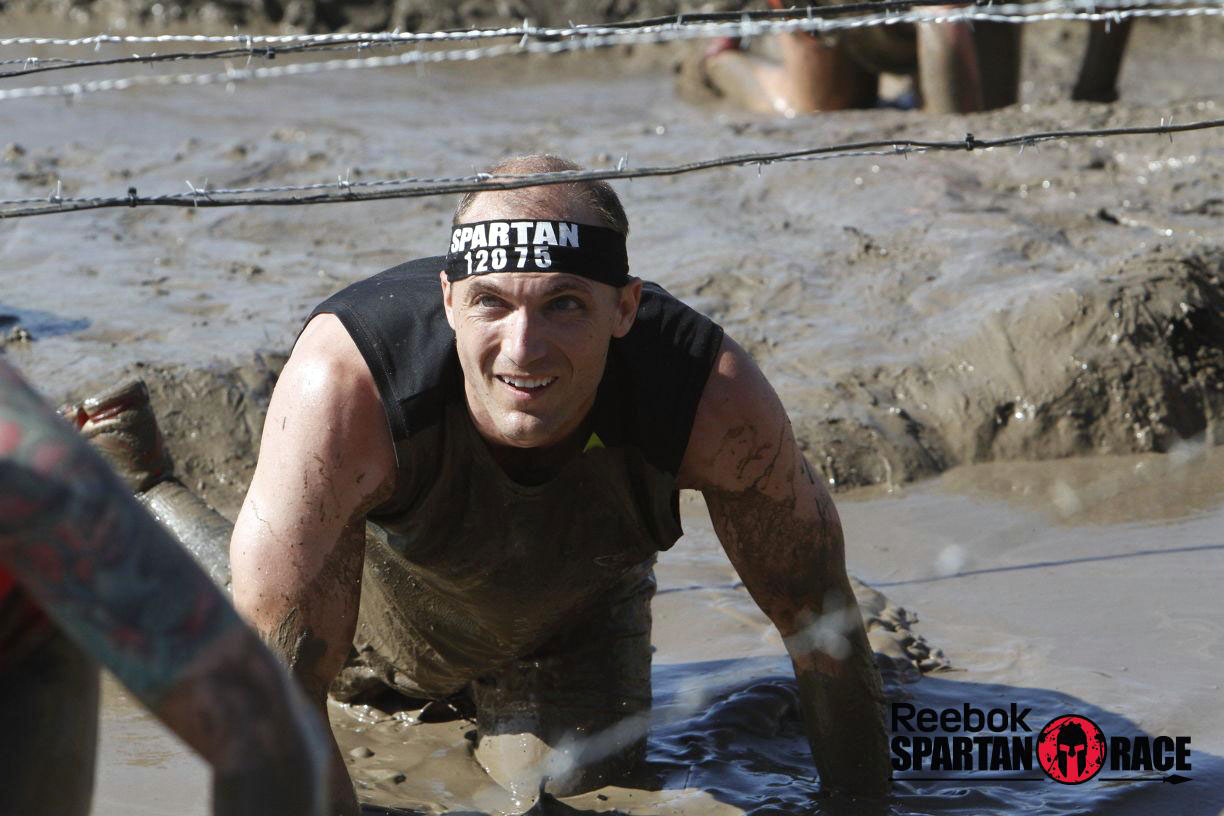
  6. Clothing can be an interesting variable. For my particular OCR, the temperature was quite warm (above 80 degrees). The water obstacles helped to keep my body cool. In hindsight, additional clothing should have been considered in order to avoid cuts and scrapes. I wore a long pair of compression socks to help with cramping and protection from ground cover. I wish that I would have worn knee protection. The crawling cut up my knees and made them feel sore. Also, when scaling the walls, I got scrapes under my arms because I wore a tank top. I recommend wearing clothing that will protect your body for the likely scrapes and cuts that will occur.
  7. Ankle Sprain Prevention. I had been warned that this particular course was hilly. In preparation, I decided to utilize Mummy Tape for ankle stability. (You can also use Rock Tape, KT Tape or any other Kinesiological style tape.) This video, KT Tape Ankle Stability, demonstrates the technique I utilized to help improve my ankle stability in order to prevent an ankle sprain. For application and removal tips, please refer to Skin Care with Taping.

Once you complete the OCR, enjoy your accomplishment, but don’t forget to implement proper recovery strategies!  Be sure to properly cool down after the race.  Don’t sit!  Stretch and continue to move.  You will need to make sure that any scratches or wounds are properly cleaned and covered.  Hydrate appropriately and begin working through your recovery process.  For more information on how to quickly recover, please refer to the following posts: 14 Tips and Strategies to Self-Treat Muscle Pain and Muscle Cramping & Spasms – Treatment Options.

Have you competed in an OCR before?  Please share your experience by leaving a comment below.

If you have a question that you would like featured in an upcoming blog post, please comment below or submit your question to contact@thePhysicalTherapyAdvisor.com.  Be sure to join our growing community on Facebook by liking The Physical Therapy Advisor!